Encyclopedia Botannica
Plant care guides written by someone who actually grows them. No tracking, no ads, no nonsense.
"What is bright indirect light?" As close to a window as you can provide. Grow lights? A foot or two away. That's the answer. Why is it so difficult to find that answer anywhere else?
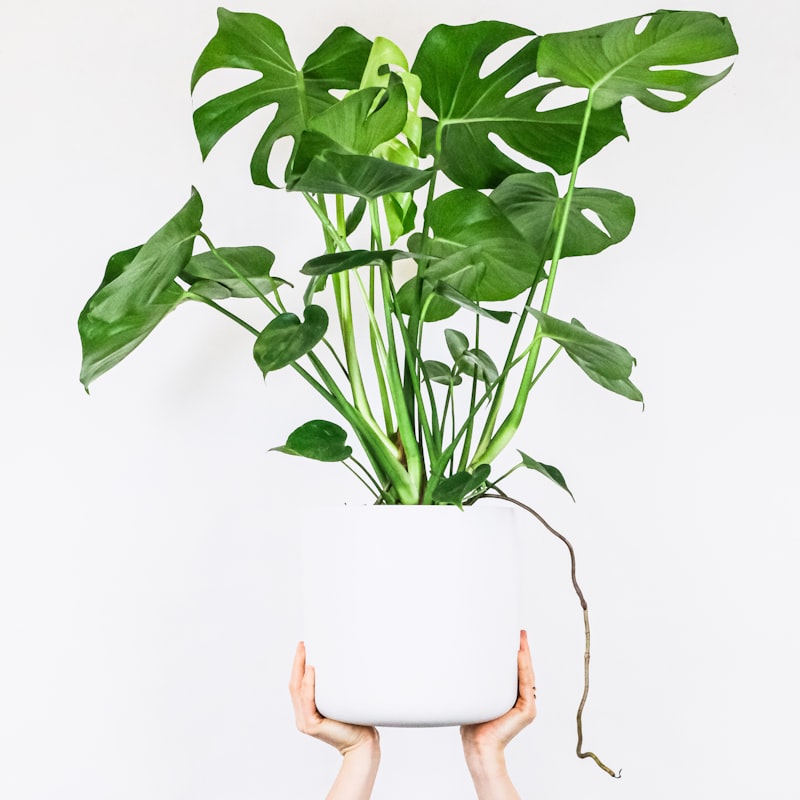
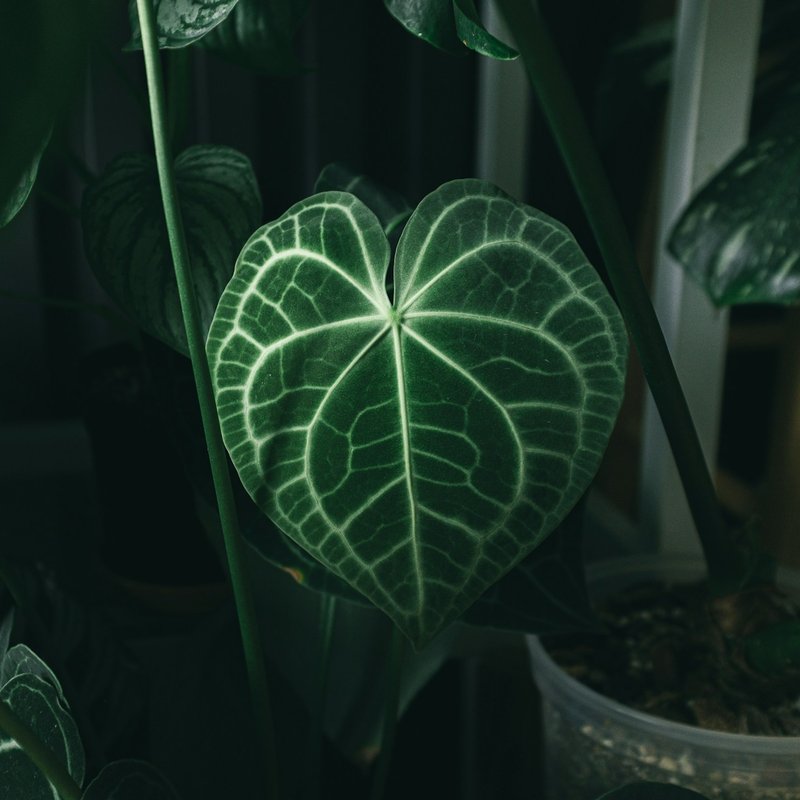
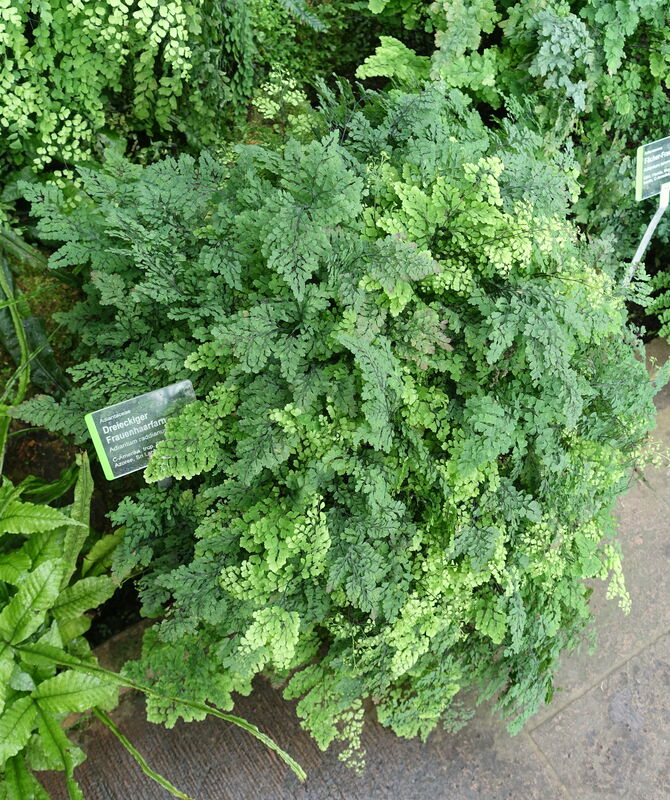
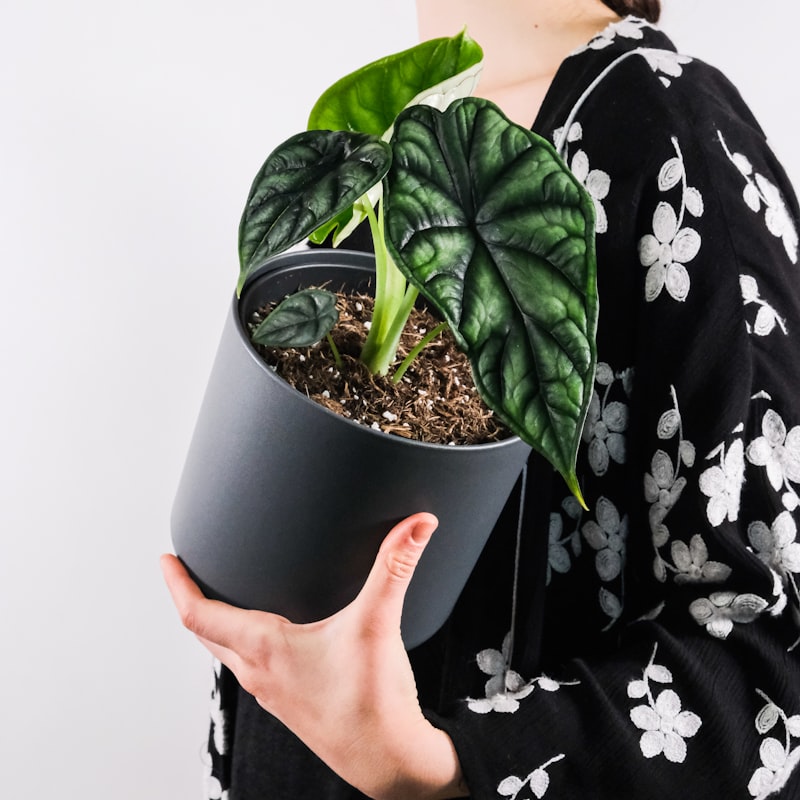
Plant Encyclopedia
Detailed care guides organized by genus, species, and cultivar. Every plant gets a thorough treatment with real-world growing advice.
Browse plants →Step-by-Step Guides
From building moss poles to mixing custom soil, our guides are tested in our own greenhouse before they make it to the site.
View guides →Plant Comparisons
Thai Constellation vs Albo? Magnificum vs Clarinervium? We break down the real differences so you can pick with confidence.
Compare plants →We don't track you
No Google Analytics. No Facebook Pixel. No cookies. We use Cloudflare Web Analytics, which is cookieless and collects zero personal data. This site is funded by a small shop and affiliate links, both clearly labeled.
How we fund this site →